About HDPE Sprinkler Systems
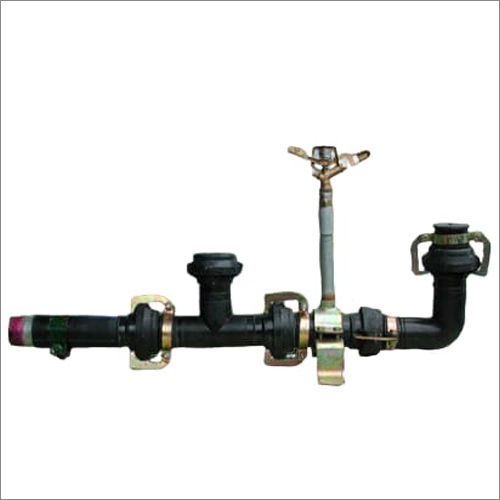
We have come up with HDPE sprinkler systems that are used for irrigation purposes. These are designed to deliver water to crops or plants in an efficient & uniform manner. These systems consist of high-density polyethylene pipes, fittings, and sprinklers that are resistant to corrosion, UV rays, & environmental factors. These are lightweight, flexible, and easy to install, making them suitable for both small as well as large-scale farming operations. HDPE sprinkler systems offer a cost-effective and environmentally friendly solution for agricultural irrigation.
Superior Durability and Long LifeConstructed with high-density polyethylene (HDPE), this sprinkler system delivers reliable performance for over 20 years. Its resistance to corrosion, abrasion, chemicals, and UV rays ensures flawless operation in various climates and challenging environments. The UV-resistant coating further protects the pipes during prolonged outdoor use.
Efficient Coverage and Flexible InstallationDesigned for maximum efficiency, this system offers a coverage radius up to 30 meters, with sprinkler spacing ranging from 12 to 18 meters. Its lightweight, modular design and multiple jointing methodssuch as quick coupling and fusion weldingallow for both portable and fixed installations, above ground or surface-mounted.
User-Friendly and Versatile ApplicationsThe HDPE Sprinkler System supports both manual and automatic controls, making it adaptable for different irrigation needs. Its suitable for agricultural irrigation, landscape watering, and industrial applications, ensuring uniform water distribution and easy system management for users across India.
FAQs of HDPE Sprinkler Systems:
Q: How is the HDPE Sprinkler System installed and what jointing methods are used?
A: The system is installed above ground or as a surface-mounted setup. Jointing options include quick coupling, socket fusion, flange joint, and butt fusion, making it convenient to assemble, dismantle, and reposition as needed.
Q: What are the benefits of using a UV-stabilized, corrosion-resistant HDPE Sprinkler System?
A: UV-stabilization and corrosion resistance ensure long-lasting performance even under harsh sunlight and exposure to chemicals. This makes maintenance easier and prolongs the systems service life, which exceeds 20 years.
Q: When should I use manual versus automatic control for my sprinkler system?
A: Manual control is ideal for smaller fields or when flexible watering schedules are preferred. Automatic control is recommended for larger areas or where consistent irrigation is necessary, improving efficiency and reducing labor efforts.
Q: Where can the HDPE Sprinkler System be effectively used?
A: This system is perfect for agricultural irrigation, landscape watering, and various industrial environments across India. Its robust design handles a wide range of climates and site conditions.
Q: What process should be followed for connecting and operating the sprinklers?
A: Start by laying out the HDPE pipes in your desired area, use quick coupling or fusion welding for secure joints, and mount the impact or rotating-head sprinklers at specified intervals (12-18 meters). Connect to a water supply, set your control type, and ensure pressure is maintained between 2.5 and 4 kg/cm for best performance.
Q: How does the system ensure efficient water usage and coverage?
A: The sprinkler heads deliver a maximum flow rate of 135 L/min and cover up to a 30-meter radius. Proper spacing and selection of sprinkler types ensure uniform water distribution, minimizing wastage and enhancing crop growth or landscape health.







 Get Latest Price

 Send Inquiry